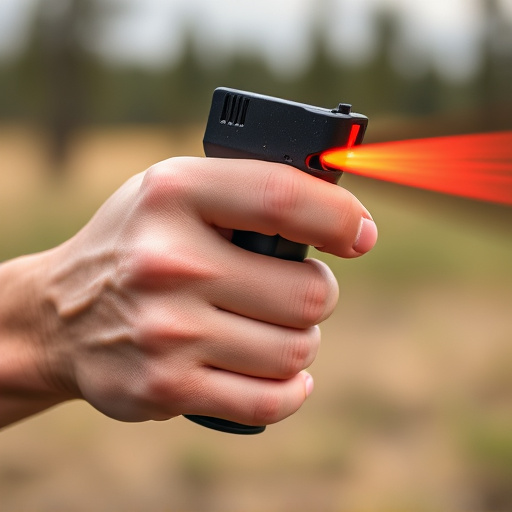
Bear spray and pepper spray are non-lethal self-defense options with distinct differences: bear spray uses capsaicin to disorient wildlife over a 20-foot range, while pepper spray is more potent, causing immediate pain and temporary blindness for human aggressors. Bear spray is ideal for wild animal encounters, whereas pepper spray is better suited for personal protection against humans due to its stronger formula. The choice between them depends on the specific security concern: wildlife protection or human threats.
Personal security is a top priority, especially in unpredictable outdoor scenarios. Two popular self-defense tools are bear spray and pepper spray, each with unique properties. This article breaks down the essentials of these defensive canisters, highlighting their distinct features and benefits. We explore the key differences between bear spray and pepper spray, guiding you to make an informed choice based on your specific needs. Understanding these variations ensures you’re prepared for potential encounters.
- Understanding Bear Spray: The Basics
- Unveiling Pepper Spray: Features and Benefits
- Key Differences Between Bear and Pepper Spray
- Choosing the Right Self-Defense Tool for Your Needs
Understanding Bear Spray: The Basics
Bear spray, a specialized pepper spray designed for outdoor safety, offers a non-lethal means to deter aggressive bears. Unlike conventional pepper spray focused on human assailants, bear spray uses a unique formula tailored to irritate and disorient wildlife. The primary active ingredient, capsaicin, is highly effective in creating a safe distance between the user and potential bear encounters.
When comparing bear spray to regular pepper spray, key differences emerge. Bear spray has a longer range, typically up to 20 feet, allowing users to retreat from bears at a safer distance. Its formulation also considers factors like wind direction and animal behavior, ensuring its effectiveness in outdoor settings. In contrast, standard pepper spray usually has a shorter range and is more suited for close-quarters self-defense scenarios against humans.
Unveiling Pepper Spray: Features and Benefits
Unveiling Pepper Spray: Features and Benefits
In the realm of personal security, pepper spray stands as a powerful tool for self-defense. Unlike bear spray, which is designed to deter larger wildlife, pepper spray is specifically formulated to incapacitate human assailants by causing temporary blindness, coughing, and difficulty breathing. Its primary active ingredient, capsaicin, is derived from chili peppers, making it an effective yet non-lethal option for self-protection in close-quarter encounters.
The advantages of pepper spray are numerous. It’s easy to use—just aim and spray—and offers a quick response time, providing users with precious seconds to escape or de-escalate a situation. Moreover, unlike firearms or other weapons, pepper spray doesn’t require extensive training for safe handling and can be conveniently carried in pockets or purses, making it accessible for anyone looking to enhance their personal security.
Key Differences Between Bear and Pepper Spray
Bear spray and pepper spray are both popular choices for personal security, but they serve distinct purposes and have key differences. One of the primary distinctions lies in their active ingredients: bear spray typically contains capsaicin, the same compound that makes chili peppers spicy, while pepper spray employs a blend of capsaicin and other chemicals.
In terms of effectiveness, pepper spray is generally considered more potent due to its combination of irritants. It’s designed to cause immediate pain and temporary blindness, incapacitating an attacker. Bear spray, on the other hand, focuses on creating a barrier by temporarily blinding and disorienting the bear, making it less aggressive. This makes bear spray a better choice for situations involving wild animals, as it respects the animal’s natural behaviors while still providing protection.
Choosing the Right Self-Defense Tool for Your Needs
When considering self-defense options, individuals often grapple with choosing between bear spray and pepper spray. Both serve as effective tools for personal security, but they have distinct properties that cater to different needs. Understanding the differences is crucial in making an informed decision.
Bear spray, designed specifically for repelling bears, contains capsaicin, a compound similar to chili peppers. It’s known for its wide range and ability to create a significant barrier against potential threats from large animals. On the other hand, pepper spray is more conventional, using oleoresin capsicum (OC) as its active ingredient, which irritates eyes and respiratory systems, making it effective against humans who may cause harm. The choice ultimately depends on your primary concern—wild animal encounters or human aggression—as each tool offers unique advantages tailored to specific scenarios.
When it comes to personal security, both bear spray and pepper spray offer effective self-defense options, but they cater to different needs. Understanding the key differences between these two types of inflammatory sprays is essential for making an informed choice. While bear spray is specifically designed to deter bears, pepper spray is versatile and suitable for various threats. Factors like range, ease of use, and active ingredients play crucial roles in your decision. By considering these aspects, you can select the ideal self-defense tool, whether it’s bear spray or pepper spray, to navigate potential risks with confidence.