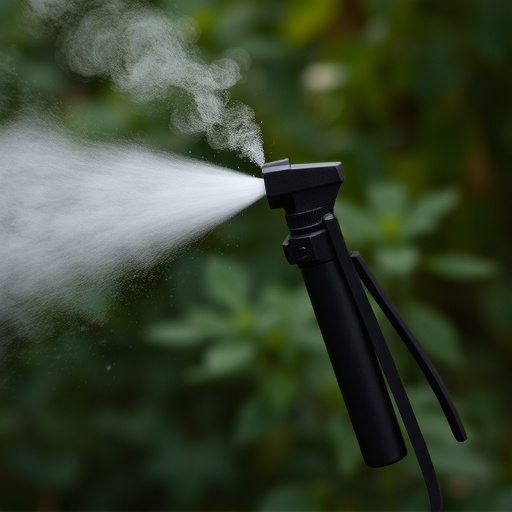
Capsicum-based sprays offer non-lethal self-defense, with pepper spray focusing on incapacitating human assailants through capsaicin's intense irritation, while bear spray creates a pain barrier against larger animals using higher capsaicin concentrations and other irritants for longer-range protection. Choice depends on threat type and environmental factors, considering range, effect duration, ease of use, legal status, and cost.
“Personal protection sprays have emerged as powerful tools for self-defense, offering individuals a non-lethal means of deterring potential threats. Among these, capsicum-based sprays stand out due to their unique properties. This article delves into the world of capsicum-based personal protection spray, exploring its understanding, mechanisms, and key differences with bear spray versus pepper spray. By examining real-world applications and selection factors, we aim to equip readers with knowledge to choose the right self-defense tool based on specific needs, ensuring peace of mind in various situations.”
- Understanding Capsicum-Based Personal Protection Spray
- Bear Spray vs Pepper Spray: Key Differences
- How These Sprays Work: Science Behind the Protective Actions
- Applications and Use Cases for Each Spray Type
- Choosing the Right Self-Defense Tool: Factors to Consider
Understanding Capsicum-Based Personal Protection Spray
Capsicum-based personal protection spray, often referred to as pepper spray, is a non-lethal self-defence tool designed to disable an attacker temporarily. Unlike bear spray, which is primarily used for wildlife encounters, pepper spray is specifically formulated to target the human senses. It contains capsaicin, the same compound that gives chili peppers their heat, and when sprayed into the eyes or respiratory system, it can cause intense irritation, pain, and temporary blindness.
The main difference between bear spray and pepper spray lies in their purpose and potency. Bear spray is designed to deter large animals like bears by creating a barrier of pain and discomfort, allowing the user time to retreat. In contrast, pepper spray focuses on incapacitating human assailants, making it more suitable for close-quarters self-defence scenarios. This distinction means that choosing between the two depends on the potential threat at hand, with pepper spray being a better option for personal protection against other humans.
Bear Spray vs Pepper Spray: Key Differences
Bear spray and pepper spray are both popular personal protection sprays, but they have distinct differences that users should understand before making a choice. While both aim to incapacitate an attacker through irritation or pain, their mechanisms and effects vary significantly.
Bear spray, as the name suggests, is designed specifically to deter bears, using a high concentration of capsaicin, the active ingredient in chili peppers. It creates a large cloud of vapor that can reach distances up to 30 feet, causing temporary blindness, coughing, and difficulty breathing in the target. In contrast, pepper spray, also known as oleoresin capsicum (OC) spray, is a more versatile option effective against various attackers. It delivers a direct hit, causing intense pain, tearing, and congestion, making it easier for the user to escape or fight back. The range of pepper spray is generally shorter than bear spray, typically around 5-10 feet, but its immediate effect can be more powerful.
How These Sprays Work: Science Behind the Protective Actions
Capsicum-based personal protection sprays, often referred to as pepper spray, have gained popularity for their effectiveness in deterring potential attackers. The active ingredient in these sprays is capsaicin, the compound that gives chili peppers their heat and pungency. When used in personal protection sprays, capsaicin irritates the eyes, nose, and respiratory system of the assailant, causing them to temporarily disable or disorient themselves. This provides the user with an opportunity to escape or seek help.
The science behind these protective actions is straightforward yet powerful. Capsaicin stimulates nerve endings in the eyes and mucous membranes, leading to teary eyes, coughing, and difficulty breathing. Unlike bear spray, which uses capsaicin for different purposes (e.g., deterring bears), pepper spray is designed to cause discomfort and disorientation in humans as a means of self-defense. This makes it an ideal tool for personal protection, with various strengths and delivery systems available to suit different needs and situations.
Applications and Use Cases for Each Spray Type
Capsicum-based personal protection sprays have diverse applications, catering to various scenarios where individuals require swift and effective self-defense. One common category is bear spray, designed for outdoor enthusiasts navigating remote areas inhabited by bears. Its unique formula creates a barrier that temporarily incapacitates bears, providing valuable time for escape or retreat.
In contrast, pepper spray—a broader term often used interchangeably with capsicum spray—is more versatile and widely used by law enforcement and civilians alike. This type of spray is highly effective against human aggressors, causing temporary blindness, coughing, and difficulty breathing. It’s a powerful tool in close-quarters confrontations, offering rapid protection without the same level of environmental impact as bear spray. These differences highlight the specific use cases for each, ensuring individuals choose the most suitable option for their needs.
Choosing the Right Self-Defense Tool: Factors to Consider
Choosing the right self-defense tool is a crucial decision that depends on various factors, especially when considering capsicum-based personal protection sprays like bear spray and pepper spray. While both serve as effective deterrents, understanding their differences is essential to make an informed choice. One key distinction lies in their active ingredients: bear spray typically contains capsaicin, the compound responsible for the burning sensation in chili peppers, while pepper spray employs a blend of capsaicin and other irritants.
When deciding between bear spray and pepper spray, consider your specific needs and environment. Pepper spray is often recommended for close-quarters self-defense due to its rapid incapacitation effect. On the other hand, bear spray offers a longer range, making it suitable for outdoor activities or situations where distance plays a crucial role in safety. Additionally, factors like ease of use, legal considerations, and cost should influence your decision.
Capsicum-based personal protection sprays offer a powerful and effective self-defense solution, with both bear spray and pepper spray having unique advantages. Understanding the key differences between these two types is essential for making an informed choice based on your specific needs. Bear spray is designed to deter larger animals like bears, using a high concentration of capsaicin to cause temporary blindness and pain. Pepper spray, on the other hand, targets smaller threats from humans, delivering a burning sensation that neutralizes attackers. Knowing their applications and learning how they work can help you decide which type best suits your requirements in terms of self-defense, ensuring you’re prepared for any unexpected situations.