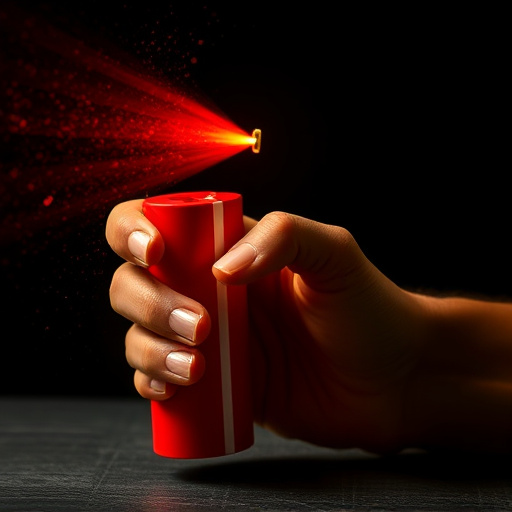
Bear spray and pepper spray, despite both serving crowd control purposes, differ in composition and application range. Bear spray, with capsaicin from chili peppers, offers a longer reach (up to 30 ft) ideal for outdoor wildlife encounters, while pepper spray's oleoresin capsicum (OC) causes immediate disorientation within a shorter 15-20 ft range, suitable for close-quarters scenarios. Training programs educate officers on their safe deployment, with de-escalation techniques increasingly emphasized over chemical interventions. Bear spray, with higher capsaicin concentrations, provides stronger deterrence without severe side effects, while pepper spray raises human rights concerns in some countries.
In the realm of crowd control, police agencies often rely on pepper spray as a strategic tool. However, understanding the nuances between bear spray and pepper spray is crucial for effective deployment and safety. This article delves into the key differences between these two agents, exploring their uses, safety considerations, and alternative methods. We also navigate international perspectives, providing a comprehensive guide to the topic, especially in light of the growing importance of crowd control tactics.
- Bear Spray vs Pepper Spray: Key Differences
- Crowd Control: When Is Pepper Spray Used?
- Pepper Spray Safety and Training for Police
- Alternative Methods to Pepper Spray for Crowds
- International Perspectives on Pepper Spray Use
Bear Spray vs Pepper Spray: Key Differences
Bear spray and pepper spray are both designed for crowd control, but they have distinct differences in their composition, effectiveness, and use cases. While bear spray is specifically formulated to deter bears, pepper spray targets humans by irritating the eyes and respiratory system. The key difference lies in their active ingredients; bear spray uses capsaicin (similar to chili peppers), whereas pepper spray employs oleoresin capsicum (OC).
Another notable distinction is the range of effectiveness. Bear spray typically has a longer reach, often up to 30 feet, making it suitable for outdoor and wildlife encounters. In contrast, pepper spray generally has a shorter effective range, around 15-20 feet, but its effects are more concentrated, causing immediate disorientation and temporary blindness. This makes pepper spray the preferred choice for close-quarters crowd control scenarios where rapid de-escalation is crucial.
Crowd Control: When Is Pepper Spray Used?
Crowd control is a critical aspect of law enforcement, and officers are equipped with various tools to manage large gatherings or disturbances. One such tool is pepper spray, a chemical agent designed to disable and disperse individuals without causing permanent harm. Pepper spray has become a standard issue for police worldwide due to its effectiveness in handling crowd-related incidents. It works by irritating the eyes, nose, and respiratory system, leading to temporary blindness and difficulty breathing, thus allowing officers to gain control and facilitate safe dispersal.
While pepper spray is commonly used for crowd control, it’s essential to understand the differences between pepper spray and bear spray, both of which are oleorectants. Bear spray, designed for protection against bears, has a longer range and stronger concentration of capsaicin, making it more potent. Pepper spray, on the other hand, is tailored for close-quarters crowd management and typically has a shorter range, focusing on quickly disabling individuals in an affected area. The choice between the two depends on the specific threat or situation at hand.
Pepper Spray Safety and Training for Police
Police officers undergo rigorous training when it comes to crowd control and public safety, including the strategic deployment of pepper spray as a non-lethal force option. However, understanding the nuances of this powerful tool is crucial for effective and safe usage. One key distinction lies in the differences between bear spray and pepper spray. While both aim to incapacitate through irritation, they have distinct formulations, with bear spray typically containing capsaicin concentrated from chili peppers, and pepper spray utilizing an oleoresin extract from hot peppers.
Training programs equip officers with knowledge on the proper handling, aiming, and deployment of pepper spray, ensuring minimal risk to bystanders and officers alike. This includes learning about decontamination procedures after use, as well as post-incident care for affected individuals. Regular exercises in realistic scenarios help police maintain proficiency, allowing them to make split-second decisions while adhering to safety protocols during crowd control situations.
Alternative Methods to Pepper Spray for Crowds
While pepper spray is a common crowd control tool, there are alternative methods that have gained attention for their potential advantages over traditional chemical agents. One notable alternative is bear spray, which has key differences from conventional pepper spray. Bear spray is designed to protect against aggressive bears and uses capsaicin, the same ingredient found in pepper spray, but in higher concentrations. However, it’s less likely to cause blindness or severe respiratory distress, making it a safer option in crowd scenarios where de-escalation is crucial.
Additionally, non-lethal weapons like tasers, rubber bullets, and water cannons offer further alternatives. These tools can temporarily incapacitate individuals without resorting to pepper spray, which can trigger panic and aggression. Moreover, some experts advocate for de-escalation techniques and crowd management strategies that focus on communication and minimizing physical intervention. These approaches recognize the importance of understanding crowd dynamics and addressing underlying issues rather than solely relying on chemical agents.
International Perspectives on Pepper Spray Use
International perspectives on pepper spray use vary significantly. While many countries have incorporated pepper spray into their law enforcement arsenal, others remain cautious due to concerns about human rights and potential misuse. For instance, Europe has generally been more restrictive in its adoption of pepper spray, focusing instead on non-lethal alternatives like tasers and batons. In contrast, North America and some Asian nations have embraced it as a necessary tool for crowd control and riot management.
One notable difference lies between bear spray and pepper spray. Bear spray, designed to deter aggressive bears, is more potent and has a longer range compared to traditional pepper spray. This makes it effective against larger threats but also raises questions about its appropriateness for urban law enforcement scenarios where the primary concern is controlling crowds without causing permanent harm.
In conclusion, while both bear spray and pepper spray serve as crowd control tools, they differ significantly in their composition, effects, and use cases. Understanding these distinctions is crucial for police forces seeking effective yet safe options. As we’ve explored, pepper spray has become a widely adopted solution, but its use isn’t without controversy. By considering alternative methods and international perspectives, law enforcement can enhance crowd control strategies while ensuring the safety of both officers and citizens. Staying informed about the latest research and training practices is essential to make informed decisions regarding crowd control tools, such as pepper spray.